
Sidebar
courses:201b:ground:aeromed_night
Table of Contents
AF 201B Unit 9 Orientation Lesson 5 - Aeromed/Nt Ops
The student will become familiar with night operations, runway incursion avoidance, aeromedical factors and illusions.
The student should display an understanding of night operations, runway incursion avoidance aeromedical factors and illusions.
Grading Items
-
- Sunset to sunrise, aircraft must have position lights (FAR 91.209)
- Anticollision lights (prior to 8/11/71) (FAR 91.205)
- Landing light - if operated for hire (FAR 91.205)
- Electrical supply
- Spare fuses
-
- Runway Incursion Avoidance
- Physiological Aspects of Night Flight
- Visual Scanning Techniques and Considerations
- Night Visual Illusions
- Distant stationary lights can be mistaken for stars or other aircraft
- Cloud layers or even the northern lights can confuse a pilot and indicate a false visual horizon.
- A black-hole approach occurs when the landing is made from over water or non-lighted terrain where the runway lights are the only source of light
- Bright runway and approach lighting systems, especially where few lights illuminate the surrounding terrain, may create the illusion of being lower or having less distance to the runway
- Spatial Disorientation, Motion Sickness and Inflight Illusions
- Hypoxia, Hyperventilation, and Carbon Monoxide Poisoning
- Hypoxia - Lack of oxygen to the tissues
- Remedy by using supplemental O2
- Hyperventiliation - Too little CO2 in the blood
- Remedy by breathing into a bag, talking, or slowing breathing rate
- Carbon Monoxide Poisoning - Susceptibility increases as altitude increases
- Middle Ear and Sinus Problems
- Stress, Fatigue, and Dehydration
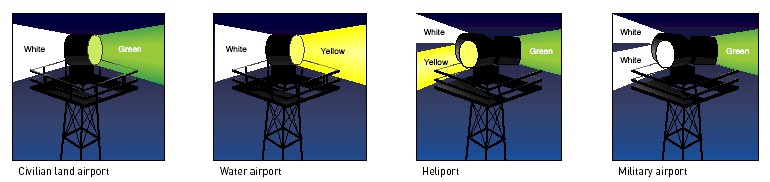
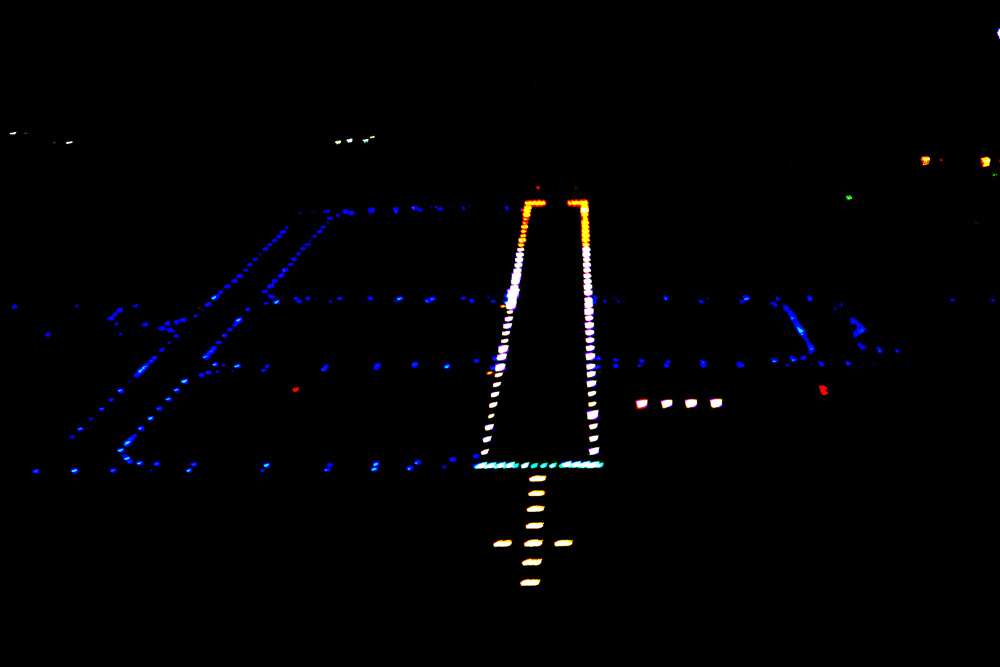

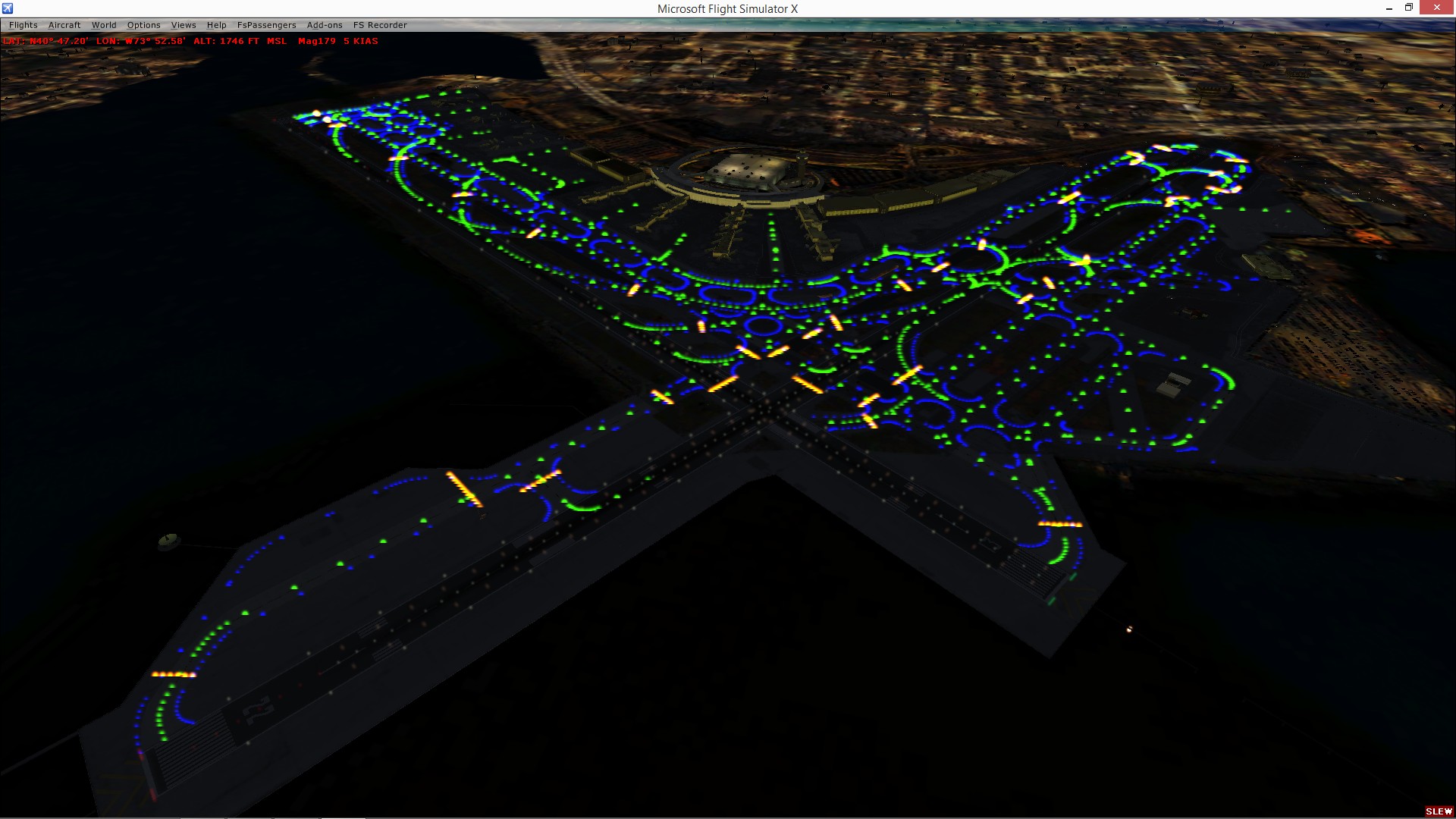

Dark adaptation is impaired by exposure cabin pressure altitudes above 5,000 ft, carbon monoxide, deficiency of vitamin A, and by prolonged exposure to direct sunlight.
Reading List
courses/201b/ground/aeromed_night.txt · Last modified: 2018/11/01 15:05 by evan
Except where otherwise noted, content on this wiki is licensed under the following license: CC Attribution-Share Alike 4.0 International


